The insulating bar for windows, doors and façades made of metal
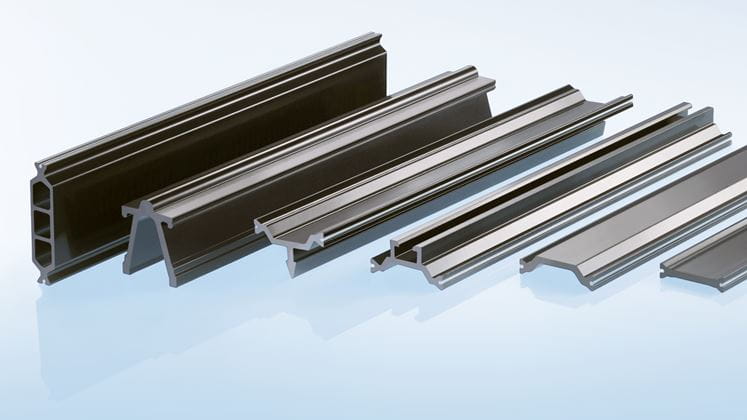
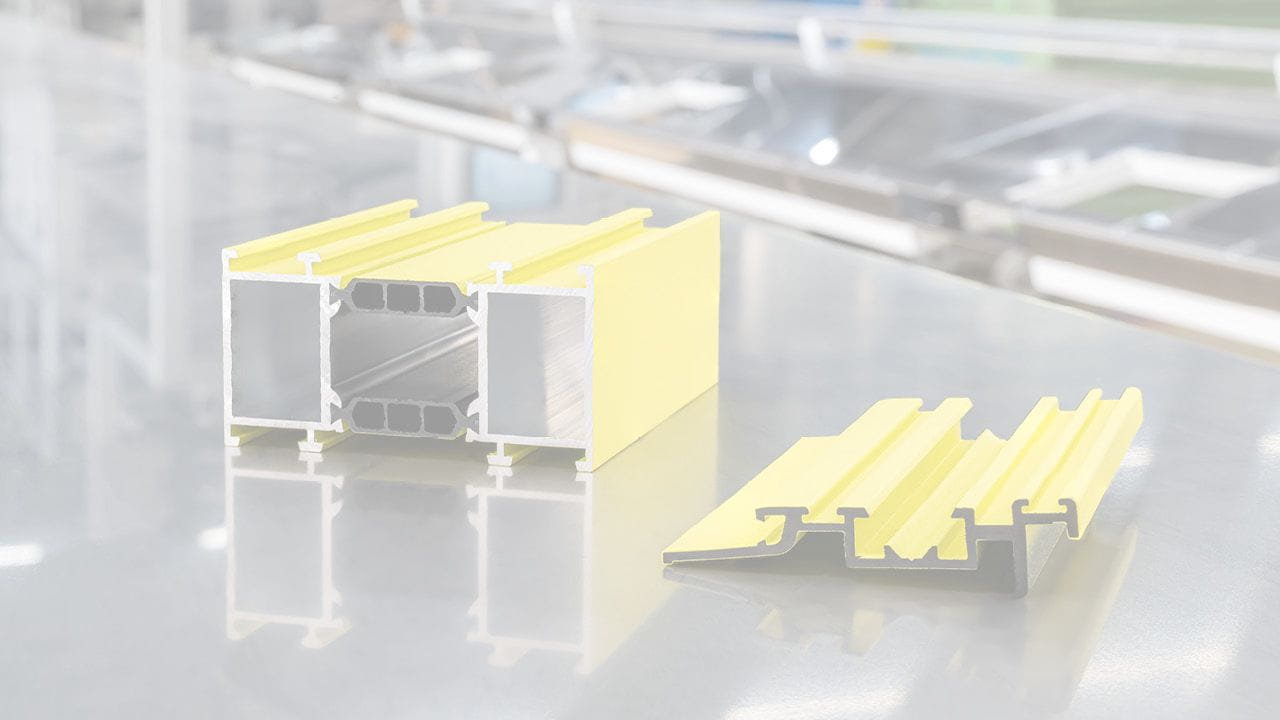
insulbar insulating bars – also known as insulating profiles, thermal insulating bars or thermal profiles – reduce heat loss through the building envelope and, depending on the system design, enable excellent Uf values. They can therefore help reduce buildings’ energy requirements and heating costs, as well as energy consumption during building operation.
Your direct line to insulbar
Advantages of insulbar insulating profiles
Wide-ranging scope for application
insulbar insulating profiles are suitable for the thermal separation of widely differing window, door and façade systems made of metal (e.g. aluminium or steel). Because the profiles are available in every conceivable cross-section and tolerance, and the material selection can be oriented to customer-specific requirements and production methods.
Security in production and application
Our customers benefit from short delivery times and unlimited delivery quantities of insulbar profiles. The premium quality, precision and tolerances of our thermal insulating bars enable reliable handling during connection and installation, and guarantee the long-term function of the assembly.
Contribution to sustainability
The choice of material for insulbar RE contributes to sustainability in production: the insulating bars are made from 100 per cent recycled polyamide. Ensinger is continuously developing the insulbar insulating bars, keeping pace with the latest state of the art.Cost-saving and economical
The extensive range of particularly affordable standard profiles enables the economical solution of customary terms of reference. Tested quality and a long service life prevent complaints and supplementary costs during the warranty period of the end products.
Tough and resistant
insulbar polyamide bars are resistant to a wide range of chemicals, cleaning and processing agents. They are suitable for stove enamelling, resilient during the anodizing process and insensitive to weather when assembled.
Lower energy costs for building owners and renovators
The effective insulating effect of the profiles allows house owners to save heating costs in winter and remain cool economically during the summer. A calculation example indicates the scope for savings*.
| Frame without thermal separation |
Frame with thermal separation (with insulbar LEF) |
|
| Uf value |
6 W/(m2K) |
1,4 W/(m2K) |
| Energy consumption |
6 W/(m2K) x 0,5 m2 x 5 K x 8760 h |
1,5 W/(m2K) x 0,5 m2 x 5 K x 8760 h |
| per annum |
= 131,4 kWh |
= 32,9 kWh |
| Energy costs per annum |
131,5 kWh x 0,30 €/kWh = 39,42 € |
32,9 kWh x 0,30 €/kWh = 9,87 € |
| Savings per annum |
29,55 € ! |
|
* Assumptions/ conditions: Window size: 1.48 m x 1.23 m = 1.82 m², clear width of frame: 100 mm, Uf value of the frame without thermal Separation: 6 W/(m²K), Uf value of the frame with thermal separation: 1.5 W/(m²K), glass surface: 1.32 m², frame surface: 0.5 m², mean temperature difference inside/out: 5 K, glass and spacer of both windows identical, energy costs 0.30 €/kWh
Product Range